Choosing the Right Containers for Full-Sun Balconies: Material Guide
Help balcony gardeners understand why container material matters on a scorching balcony, and how to choose pots that protect roots, conserve water, and match small-space style.
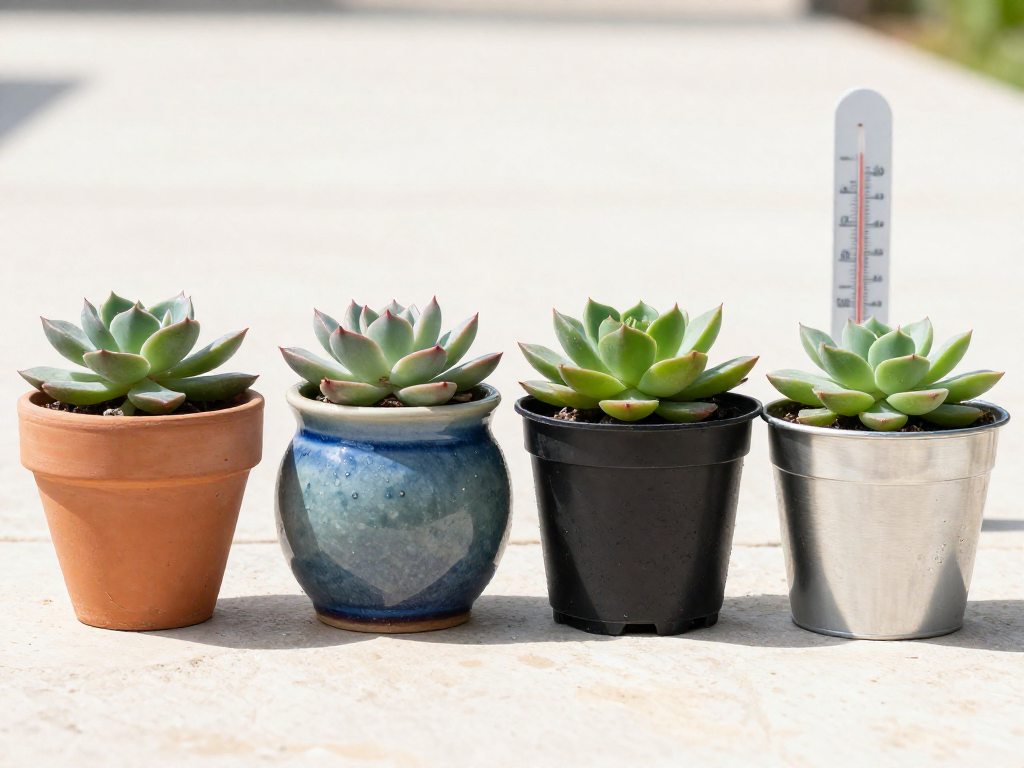
Why Container Material Matters on a Hot Balcony
When your balcony bakes under full sun, the container you choose becomes more than just a home for your plant—it’s a life-support system. Dark-colored pots, especially black or charcoal, act like solar collectors, soaking up heat and transferring it straight to the soil. This can raise root-zone temperatures to dangerous levels, essentially slow-cooking tender roots and leaving plants wilted and stressed even if you’re watering diligently. Lighter colors—think cream, white, or pastels—reflect sunlight and help keep the root ball cooler, making a noticeable difference on scorching days.
Material porosity is another key factor. Porous containers like unglazed terracotta allow air and moisture to move through their walls. As water evaporates from the outer surface, it draws heat away, cooling the roots much like sweat cools our skin. The tradeoff? You’ll need to water more frequently because that same evaporation depletes soil moisture faster. For many full-sun balconies, this evaporative cooling can be a lifesaver, but it demands a consistent watering routine to prevent drought stress.
Non-porous materials—such as glazed ceramic, plastic, metal, or fiberglass—seal in moisture, which reduces how often you need to water. However, they can also trap heat, especially if they’re dark or left in direct sun all day. A plastic pot sitting on a hot concrete balcony floor can turn into an oven for your plant’s roots. Look for double-walled or insulated options if you go this route, and consider placing a saucer underneath to create a moisture buffer that slightly cools the base.
Ultimately, your material choice directly governs root temperature, moisture retention, and how much stress your plants endure when the mercury climbs. By matching your container to the heat reality of your balcony, you can give your sun-loving herbs, flowers, and veggies a fighting chance to thrive rather than merely survive.
Best Pot Materials for Full-Sun Balconies
On a sun‑drenched balcony, the material of your containers makes all the difference—some work with the heat, others fight against it. Here’s a practical breakdown of the most common options, ranked from highly recommended to those needing extra care.
Fabric Grow Bags
These are the unsung heroes of hot balconies. The breathable fabric allows air to reach roots and moisture to evaporate through the sides, cooling the soil just like sweat does for us. Even better, they “air‑prune” roots, promoting a dense, healthy root system. The trade‑off? They dry out fast, so pair them with a drip tray or water‑retaining crystals, and be ready to water a bit more often. Ideal for tomatoes, peppers, and herbs that love warmth but appreciate a cool drink.
Terracotta
Classic and charming, unglazed clay pots naturally breathe. Their porosity pulls heat away from roots through evaporation, keeping things several degrees cooler. That same feature means soil dries quickly—perfect for drought‑tolerant plants like rosemary, lavender, or succulents, but less so for thirsty basil. You can slow drying by sealing the inside with a food‑safe sealant or simply watering more attentively. Bonus: their weight adds stability on windy high‑rise ledges.
Wood
Wood is a natural insulator, buffering roots against temperature swings. A wooden planter left in full sun will feel warm to the touch, but inside the soil stays surprisingly temperate. Choose rot‑resistant cedar or redwood, or treat pine with a non‑toxic, water‑based sealer. Ensure generous drainage holes. Wooden planters are heavier and can decay over time, but their rustic look and cool roots make them a solid choice for long‑term setups.
Glazed Ceramic
The glossy exterior isn’t just for looks—it seals the clay, reducing water loss. On a hot balcony, that means you’ll be refilling less often. But there’s a catch: lower‑quality ceramics can crack under sudden temperature changes or direct, scorching sun. Invest in high‑fired stoneware if you go this route. Their weight is a plus for stability, though it makes rearranging a workout. Great for plants that prefer consistent moisture, like ferns or calatheas.
Plastic & Resin
Lightweight, affordable, and widely available, plastic pots are a breeze to move but can turn into miniature greenhouses. Dark colors absorb heat, potentially cooking the roots. Counteract this by sticking to white, tan, or pastel plastics that reflect light. Better yet, double‑pot: slip the plastic nursery pot inside a larger, light‑colored decorative outer container. Some modern resin pots mimic stone or terracotta while offering better insulation—look for those labeled “UV‑stabilized” for longer life under sun.
Metal
Stainless steel, galvanized tubs, and copper planters look chic but turn scorching in direct sunlight. Metal conducts heat straight to the soil, and on a 90°F day, root burn is a real risk. Always use metal as a cachepot (decorative outer shell) with a plastic or terracotta liner inside. Keep an air gap between the two, perhaps with a layer of pebbles at the bottom. Even then, check moisture levels regularly, as the heat may still radiate inward.
Matching Material to Your Style
Think of your container choice as part of your watering strategy. If you tend to forget watering, lean toward plastic, glazed ceramic, or self‑watering fabric bags. If you love daily tending, terracotta or straight fabric bags might be your match. And don’t be afraid to mix materials—a terracotta herb pot beside a wooden planter of greens, with a metal trough used smartly as a decorative wrap. The best pot is the one that fits both your plant’s needs and your own balcony rhythm.
Terracotta vs. Ceramic: Which Handles Heat Better?
Now that you’ve weighed the overall pros and cons of container materials, let’s zero in on two perennial favorites: terracotta and ceramic. Both are made from clay, but their finishes and behaviors in hot sun set them worlds apart. Understanding these differences will help you pick the right pots for your plants—and your lifestyle.
Terracotta pots are crafted from fired clay and left unglazed, giving them that classic rusty warmth. The magic lies in their porosity. Those tiny pores allow air and moisture to pass through the walls, creating a natural evaporative cooling effect. As water seeps out and turns to vapor on the surface, it pulls heat away from the root zone—a real advantage on blazing afternoons. This makes terracotta a top choice for plants with heat-sensitive roots, such as lavender, rosemary, and many succulents. However, the constant moisture loss means you’ll be watering much more often, sometimes twice a day in peak summer. If your schedule is packed or you travel, that can be a dealbreaker. On the plus side, terracotta is lightweight and budget-friendly, so you can easily build a collection. Over time, it develops a charming patina that suits boho, Mediterranean, and rustic balcony aesthetics beautifully.
Ceramic pots, by contrast, are almost always glazed. That glossy coating seals the clay, locking in moisture and slowing evaporation. Soil stays damp longer, cutting down your watering chores—a big win for busy urban gardeners. Thanks to the dense clay body, ceramic insulates roots reasonably well, though dark glazes can still absorb heat on scorching days; lighter colors stay cooler. The real draw is style: ceramic comes in a dazzling array of colors, patterns, and shapes, from minimalist matte to hand-painted art pieces. You can easily find a pot that complements a sleek modern balcony or adds a vibrant pop to a neutral space. The trade-offs? Ceramic is heavy, which matters if your balcony has weight limits. It also can be pricier, ranging from affordable big-box finds to premium designer pots. In regions with freezing winters, water trapped in the glaze may expand and cause cracks, so frost-resistant grades or indoor overwintering become necessary.
When it comes to cost, terracotta is the clear winner for tight budgets. A classic 10-inch terracotta pot might set you back just a few dollars, making it painless to experiment. Ceramic starts only slightly higher for simple glazed versions but can climb steeply for larger, handcrafted pieces. Think of terracotta as a practical workhorse and ceramic as an investment in decor.
Visually, the two materials pull your balcony in different directions. Terracotta’s earthy, sun-baked look ties effortlessly with woven textures, cacti, and trailing greenery. Group mismatched sizes for an effortlessly curated vibe. Ceramic’s crisp finishes and bold hues let you craft a tailored aesthetic: imagine a row of teal-glazed cubes with architectural plants for a modern edge, or a single statement pot as a focal point.
Ultimately, neither material is inherently “better” at handling heat—they serve different needs. Choose terracotta if root cooling and affordability top your list, and you don’t mind a daily watering ritual. Go for ceramic if you crave moisture control, style variety, and lower maintenance. Many balcony gardeners mix both, placing terracotta around the sun-baked perimeter and a glazed showpiece in a shadier spot. Pay attention to drainage, weight, and your local climate, and your full-sun balcony will thrive with containers that match both your plants’ needs and your personal style.
Practical Tips for Using Plastic & Resin Pots in Full Sun
Plastic and resin pots are popular for good reason: they’re lightweight, budget-friendly, and come in endless styles. But on a sun-drenched balcony, dark plastic can absorb heat and scorch delicate roots. The good news? A few simple tricks can keep your plants happy without giving up the convenience of these go-to containers.
Start with color. Light hues — think white, cream, soft pastels, or even silver — reflect sunlight instead of soaking it in. This alone can lower soil temperature by several degrees. If your heart is set on a darker pot, try using it as a cachepot (more on that below) rather than a direct planter.
Insulate with a double-pot setup. This is a game-changer for hot balconies. Place your plant in a basic plastic nursery pot, then slip that inside a slightly larger decorative outer pot. The air gap between the two acts as a natural insulator, shielding roots from rapid temperature swings. It also makes it easy to swap out plants or check for root-bound issues without disturbing the display.
Check for UV resistance. Not all plastics are created equal. Resin pots labeled UV-resistant are formulated to withstand prolonged sun exposure without fading, cracking, or becoming brittle. They may cost a little more upfront, but they’ll last several seasons instead of crumbling by mid-summer. Look for terms like "UV stabilized" or "all-weather resin" on the tag.
Don’t overlook self-watering containers. These pots have a built-in reservoir that wicks moisture up into the soil as needed. In full sun, the steady supply of water helps moderate root zone temperature and reduces the stress of afternoon heat. Just remember to check the water level regularly — on scorching days, reservoirs can empty faster than you’d expect. A quick peek every morning ensures your plants never run dry.
With these small adjustments, plastic and resin pots can be a smart, affordable choice for a thriving sunny balcony garden.
Style Meets Function: Container Choices for Small Balcony Aesthetics
Your balcony garden can be both a lush retreat and a design statement, even in a compact space. The key is choosing containers that not only thrive in full sun but also complement your style and maximize every square inch. Start by thinking vertically: lightweight railing planters and wall-mounted pockets are perfect for sun-loving herbs or trailing flowers, freeing up floor space while bathing your plants in light.
To keep things visually interesting without clutter, mix materials intentionally. Pair the warmth of terracotta pots with a sleek metal plant stand, or nestle a few glazed ceramic planters alongside a rustic wooden crate. The contrast in textures adds depth, and grouping pots of varying heights creates a curated, layered look. Just remember that dark metal or thin plastic can overheat in direct sun, so stick to lighter colors and materials that won’t absorb too much heat.
Practical details can elevate the whole setup. Use saucers and drip trays under every pot to catch water—this protects your balcony floor or railing and gives a tidy, finished appearance. Opt for trays that complement your pot colors; a simple terracotta saucer or a sleek clear tray blends in seamlessly. For larger ceramic or wood containers that become too heavy to move easily, invest in wheeled plant caddies. These let you follow the sun as the seasons change or quickly give plants a break during a scorching heatwave. Even a small dolly tucked under a statement pot can make your garden flexible and functional.
By weaving together practical container choices with your personal style, you’ll create a balcony garden that feels like an extension of your indoor living space—welcoming, stylish, and easy to maintain.
FAQ
What is the safest container material for a balcony that gets 10+ hours of direct sun?
Thick-walled glazed ceramic or fiberglass pots are among the safest choices. They insulate roots from extreme heat better than thin plastic or metal and won't crack like terracotta can. Dark colors absorb more heat, so opt for lighter shades to keep soil temperatures down.
Do self-watering planters work well in full sun, or will they cook the roots?
Self-watering planters can work in full sun if properly managed. The water reservoir provides steady moisture, but the risk is that water can overheat if the container is in direct sun all day. Choose light-colored, well-insulated self-watering pots and consider placing them where they get some afternoon shade to prevent the reservoir from becoming too warm.
Can I use metal containers for a sunny balcony if I provide shade?
Metal containers conduct heat rapidly, which can overheat roots even with shade cloth above. If you love the look, use a metal pot as a decorative outer sleeve with a plastic or fiberglass insert inside, and position it away from the hottest afternoon rays. Line the metal interior with bubble wrap or foam for extra insulation.
How often should I water plants in terracotta pots during a heatwave?
During a heatwave, terracotta's porous nature causes soil to dry out faster, so you may need to water once or even twice daily. Check the soil moisture by sticking your finger an inch deep; if it feels dry, water thoroughly until water runs from the drainage holes. Early morning watering gives plants time to absorb moisture before the peak heat.
Are plastic pots toxic or harmful when they heat up in the sun?
Most quality plastic pots made from high-density polyethylene (HDPE) or polypropylene are food-safe and don't leach harmful chemicals when heated. Avoid using thin, single-use plastics or pots not labeled as UV-stabilized, as they can degrade and potentially release substances. To be extra cautious, choose pots from reputable gardening brands and avoid black plastic that absorbs excessive heat.