How to Check and Top Up Tyre Pressure (and Why It Matters in the Rain)
Picture this: you're riding home in a sudden Malaysian downpour, and your bike feels skittish. The culprit? Often, incorrect tyre pressure. This guide walks you through the quick, easy process of checking and topping up your tyre pressure, and explains why it's a game-changer for gripping wet roads. Perfect for commuters and weekend riders who want to stay safe without hassle.
Why Tyre Pressure Matters (Especially in the Rain)
When the skies open up during a Malaysian tropical downpour, your scooter or motorbike tyres are the only things keeping you upright. The right tyre pressure isn’t just about avoiding a puncture – it directly affects how much grip you have on wet roads. Get it wrong, and you’re increasing your chances of a slide when you need control most.
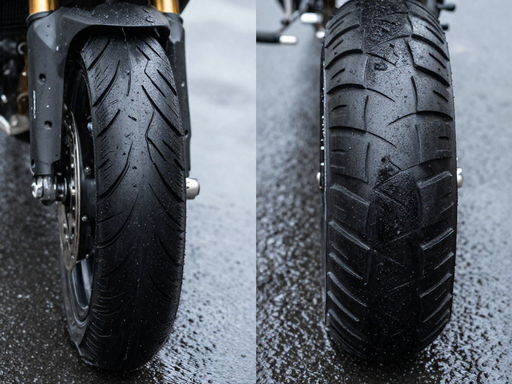
Underinflated tyres are a common culprit in the rain. A soft tyre flattens too much against the road, making the contact patch unstable. This instability prevents the tread from cutting through water effectively, raising the risk of hydroplaning – where a layer of water lifts the tyre off the asphalt. On Kuala Lumpur’s slick highways or the winding kampung roads, that split-second loss of control can be catastrophic.
Overinflated tyres don’t fare much better. When there’s too much air, the tread becomes rigid and can’t flex to grip the surface. Less rubber meets the road, reducing friction just when you need it for braking or cornering. The tread channels, designed to pump water away, become less efficient, leaving you with less traction than a correctly inflated tyre would provide.
Keeping your tyres at the manufacturer’s recommended pressure ensures that the tread pattern works as intended. The grooves and sipes can disperse water quickly, maintaining a solid contact patch. This optimal water dispersion is critical for confident stops and swerves during a sudden shower – exactly the kind of riding we deal with daily in our tropical climate. A quick pressure check before a ride takes seconds but can make all the difference when you’re caught in a storm.
What You’ll Need to Check and Top Up Tyre Pressure
Before you head out, gather a few simple tools. Most are affordable and easy to find at local hardware or motorcycle accessory shops.
- Tyre pressure gauge – A reliable gauge is the foundation. Digital models are easy to read, but analogue ones work well too. You can pick them up at Mr DIY, Ace Hardware, or order online from Shopee or Lazada for around RM10–30.
- Air pump – For convenience, many petrol stations (Shell, Petronas, Petron, etc.) have free air pumps. Just check that the hose reaches your valve stems. If you prefer home use, a portable 12V electric pump that plugs into your motorcycle’s battery or cigarette lighter socket is a great investment. These are sold at automotive shops like Eneos or online.
- Valve cap removal – In most cases, your fingers can unscrew the cap. Having a small tool isn’t necessary, but if your caps are tight, a valve core tool (often built into some gauge kits) helps.
- Recommended pressure guide – The right pressure isn’t a guess. Check your motorcycle owner’s manual or look for a sticker on the swingarm or under the seat. Common cold-tyre pressures for typical Malaysian scooters like the Yamaha NMAX or Honda PCX are around 29 psi front and 33 psi rear, but always follow your specific model’s recommendation.
- Combo inflator with gauge – Some portable pumps come with a built-in gauge, making the process quicker and less fiddly. This is optional but handy, especially if you’re often on the go.
With these basics, you’re ready to tackle tyre pressure checks wherever you park.
Step-by-Step: How to Check Your Tyre Pressure
Getting an accurate reading is simple, but doing it right makes all the difference—especially when rain is on the way. Follow these steps before you ride, when the tyres are still cold.
- Let the tyres cool down – For a true reading, check pressure before you start the engine or at least three hours after riding. Hot tyres give inflated numbers that can lead to under-inflation.
- Find the recommended values – Look for the sticker on your scooter or motorbike (often under the seat, on the swingarm, or inside the fuel cap area). It shows the correct front and rear tyre pressures in psi, bar, or kPa. If it’s missing, check the owner’s manual or the manufacturer’s website.
- Remove the valve cap – Unscrew the small plastic cap on the tyre valve and keep it somewhere safe—they’re easy to lose.
- Press the gauge onto the valve stem – Align your tyre pressure gauge squarely over the valve and press down firmly. Hold it steady until you no longer hear any hissing. A quick pop of air is normal as you attach the gauge, but persistent hissing means you need to reposition it for a proper seal.
- Read the measurement – The gauge will show the current pressure. Note it down for that tyre.
- Compare and repeat – Check the reading against the recommended pressure. Then do the same for the other tyre. If either tyre is below the target, you’ll need to top it up in the next step. Write down both readings so you can track how quickly they drop over time.
How to Top Up Your Tyre Pressure Correctly
At a Malaysian petrol station, digital air pumps often let you set your desired pressure before filling. This takes a lot of guesswork out of the process. But regardless of the pump, it’s best to add air in short bursts. After each burst, pause and check the reading—either on the pump’s display or by using your own gauge on the valve if it’s a manual pump. This prevents accidental overinflation, which can make your ride harsh and reduce grip.
If you’re using a portable pump, keep an eye on its built-in gauge or attach your handheld gauge periodically to see where you stand. Inflate slowly until you just reach the recommended PSI for your tyre—don’t go past it. Once you’ve hit the target, it’s wise to double-check with your own gauge, since petrol station pumps aren’t always perfectly calibrated. Finally, screw the valve cap back on firmly. The cap isn’t just a decoration; it keeps dirt, water, and road grime out of the valve core, preventing leaks and corrosion down the line.
Rainy Season Tyre Pressure Tips for Malaysian Riders
When the monsoon hits, keeping your tyre pressure right becomes even more critical. There are plenty of mistaken beliefs floating around, so let’s clear them up and get you riding safely.
- Don’t lower pressure for better grip – a common myth is that softer tyres improve wet-road traction. In truth, correct pressure (as per your bike’s manual or placard) ensures the best contact patch and water dispersion. Under-inflated tyres actually make you more prone to aquaplaning and uneven wear.
- Check weekly during rainy season – temperature swings and frequent puddles can cause pressure to fluctuate. Make it a habit to check at least once a week, preferably before you ride and when tyres are cold.
- Inspect tread depth alongside pressure – your tyre might hold air fine, but if the tread is worn down, you’re asking for trouble. Look for the wear indicators; if they’re flush with the tread, it’s time for new rubber. In heavy rain, shallow grooves can’t channel water away fast enough.
- After riding through floods, dry valve stems and recheck – water can seep into valve caps or damage stems. Once you’re home, give them a wipe, check that the valve core isn’t stuck or leaking, and top up if needed. If you’ve been in deep water, also consider having your wheel bearings checked to prevent long-term damage.
- Think about all-weather tyres – if your daily commute means riding through downpours regularly, upgrading to tyres designed for wet conditions can make a huge difference. They have specially designed tread patterns and silica-rich compounds that maintain grip on slick roads. Do your research and check what’s compatible with your scooter or bike.
Keep your pressure gauge handy and ride safe out there.
FAQ
How often should I check my motorcycle tyre pressure?
Check at least once every two weeks and before any long ride. Tyres lose pressure naturally over time, and Malaysia's hot weather can accelerate leakage. Regular checks ensure optimal grip and fuel efficiency, especially crucial during unpredictable rain.
What is the correct tyre pressure for a scooter in Malaysia?
The recommended pressure is usually between 29-33 PSI for the front and 33-36 PSI for the rear, but always refer to your scooter’s manual or the sticker on the frame. Malaysian roads and varying loads call for adhering to manufacturer specs to balance comfort and traction. Slight adjustments may be needed if you frequently carry a pillion or cargo.
Can I use a petrol station air pump to top up motorcycle tyres?
Yes, petrol station air pumps are convenient and generally reliable. However, bring your own pressure gauge because station gauges are often inaccurate or damaged. Also, be cautious of moisture in the air supply, which can affect pressure readings over time.
Does low tyre pressure really cause accidents in the rain?
Absolutely. Under-inflated tyres have a larger contact patch and reduced ability to channel water away, increasing the risk of hydroplaning on wet Malaysian roads. They also generate more heat, which can lead to sudden blowouts. Proper pressure maintains the tyre’s tread pattern effectiveness, crucial for rainy safety.
Should I reduce tyre pressure when riding in heavy rain?
No, you should maintain the recommended pressure. Reducing pressure does not increase grip; in fact, it makes the tyre less stable and more prone to aquaplaning. The tyre’s grooves are designed to disperse water efficiently at the correct pressure, so stick to the standard setting.